



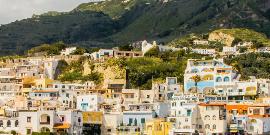



Hiring a car in Italy can transform your holiday into an unforgettable adventure. With your own vehicle, you can explore charming villages, drive along stunning coastal roads, and discover the beautiful countryside at your own pace. This guide will help you understand everything you need to know about renting a car in Italy.
When choosing your rental car, remember that Italian roads, especially in historic towns, can be quite narrow and winding. A smaller car is often a better choice than a large one. Cars like the Fiat 500 or Panda are perfect for Italian roads and much easier to park in tight spaces. While automatic cars are available, they cost more than manual ones and you'll need to book well in advance as they're less common in Italy.
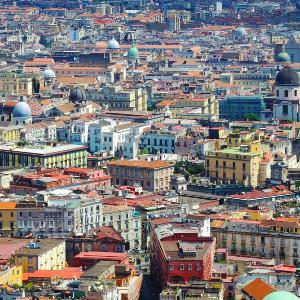
It's best to book your car several months before your trip, particularly if you're travelling during summer or holiday periods. Major rental companies like Avis, Hertz, Europcar, Budget, Sixt, Thrifty, National, Enterprise, Alamo and Dollar operate throughout Italy. Local companies might offer lower prices, but always check their reviews carefully. Booking online usually gives you better rates than booking at the counter.
To rent a car in Italy, you'll need a valid driving licence, a credit card in the main driver's name, and your passport. If your licence isn't EU-issued, you'll also need an International Driving Permit (IDP). Make sure to get this from your home country before travelling - you can't get one once you're in Italy.
Insurance is an important consideration. Basic insurance comes with your rental, but think about taking extra coverage. Italian roads can be challenging, and even small scratches can be expensive. Many rental companies offer additional insurance packages, and options like CDW (Collision Damage Waiver) and theft protection are worth considering.
When you collect your car, check it thoroughly for existing damage and take photos. Make sure all scratches and dents are noted on your rental agreement. Check the fuel policy too - most companies use a 'full-to-full' system where you return the car with the same amount of fuel.
Driving in Italian cities requires special attention. Many city centres have restricted traffic zones called ZTL (Zona Traffico Limitato). Entering these without permission can result in large fines. It's better to park outside these zones and use public transport to explore city centres. Most Italian cities have good parking facilities on their outskirts.
Italian motorways (autostrade) are toll roads. You'll take a ticket when entering and pay when leaving. Keep some cash handy as not all toll booths accept cards. The usual speed limit on motorways is 130 km/h, but always watch for signs as this can change. Remember to stay in the right lane except when overtaking.
Petrol stations are common on main roads and motorways. Many are self-service (especially at night) and need cash payment. Look for 'benzina' for petrol and 'gasolio' for diesel. Always double-check you're using the right fuel type for your rental car.
Parking in Italy uses a colour-coded system. Blue lines mean paid parking, white lines mean free parking, and yellow lines are reserved for special use. In cities, it's often better to look for covered car parks rather than street parking. Keep some coins handy for parking meters, though many now accept cards or can be paid through mobile apps.
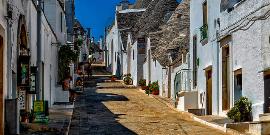
Country roads can be narrow and winding. Take your time and be ready for locals who know the roads well and might drive faster. Villages often have very narrow streets - drive slowly and be prepared to reverse if you meet oncoming traffic.
When returning your car, allow plenty of time. Fill up the tank near the return location and keep your receipt. Take photos of the car's condition and fuel level when you return it. If possible, get a final inspection with a staff member.
The cost of hiring a car varies depending on when you travel. Summer and holiday periods are most expensive. Think about all the costs beyond the basic rental price: fuel, toll charges, parking fees, and insurance. Booking early usually gets you the best rates, and it's worth comparing prices across different rental companies.
Having a car in Italy gives you amazing freedom to explore this beautiful country at your own pace. While Italian driving might seem scary at first, being prepared and understanding the basic rules will help you have a wonderful road trip. Take your time, stay calm in busy traffic, and remember to enjoy the journey as much as the destination.